


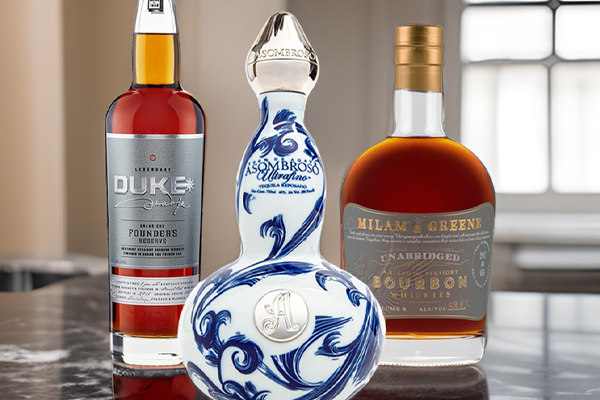

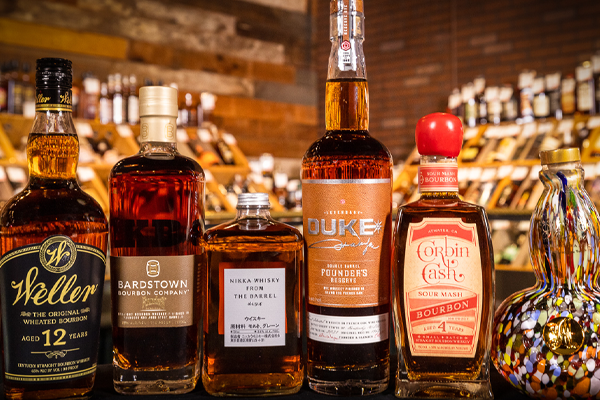

Crafting the perfect cocktail is an art where the balance of sweet, sour, and bitter plays a pivotal role. Whether you're a budding mixologist or a seasoned enthusiast, understanding how to achieve this harmony can elevate your drinking experience. For connoisseurs of American craft spirits, this balance becomes even more interesting, as small batch productions often boast unique flavor profiles. Explore the essentials of balancing these taste elements in your next drink.
The Foundation of Flavor: Sweetness
Sweetness is traditionally the first flavor note we detect, often setting the stage for the rest of the drink. In cocktails, sweetness can be derived from syrups, sugars, or even certain liqueurs. American craft spirits, particularly those in the bourbon and rum categories, often bring inherent sweetness due to their natural ingredients and aging processes. Products from unique, small distilleries offer complexity, which can deepen the sweet notes without making your drink overly saccharine.
An excellent way to start exploring this is by experimenting with different sweeteners. For instance, honey syrup or maple syrup can complement the botanical complexity of craft gin, offering a nuanced sweetness. For more insight into crafting with these spirits, visit our wide range of gin.
The Zing of Sour
Sourness adds vibrancy and brightness to a drink, balancing the heaviness of sweet and bitter components. Often achieved through citrus juices like lemon or lime, sour elements awaken the palate. In craft cocktails, the challenge is to find the right amount so that it complements without overshadowing the other ingredients.
Craft spirits such as small-batch tequilas are particularly suited for sour cocktails like margaritas, as their earthy and herbal notes can stand up to the tartness. Similarly, experimenting with various citrus juices can provide diversity in flavor. To discover more about our craft tequila offerings, check out our curated selection of tequila.
The Strength of Bitter
Bitter flavors are often the last to be perceived, providing depth and a lingering finish that can make a drink memorable. Elements like bitters, amaro, or even certain herbs are used to enhance this profile. In the realm of craft spirits, bitter notes are often more complex and distinctive, thanks to the careful distillation processes of smaller producers.
Bitterness requires a delicate hand. A few dashes of bitters can transform a cocktail, adding sophistication and balance. Craft bourbons, with their rich and sometimes spicy undertones, pair beautifully with bitter elements. For more information on our range of bourbons, explore our collection of bourbon.
Achieving Balance
The key to balancing sweet, sour, and bitter in your cocktails is experimentation. Start with a tried-and-true recipe, then adjust the ratios to suit your personal preference. Consider the unique qualities of the craft spirits you are using; their nuanced flavors can drastically alter the final outcome of your drink.
For example, a classic whiskey sour can be reimagined by using a craft whiskey from a small American distillery, enhancing the drink’s depth and richness. Pay attention to the finish of your cocktail. It should leave you wanting another sip, each flavor note unfolding smoothly on the palate, without overpowering the others.
Exploring Craft Spirits: A New Frontier
With an increasing number of craft distilleries emerging across the United States, enthusiasts have the opportunity to explore spirits that are often unavailable at larger, commercial establishments. This is not only a chance to enjoy high-quality, meticulously crafted beverages but also to support local businesses and keep the spirit of tradition alive.
To delve deeper into the world of craft spirits and find the next bottle for your cocktail experiments, check out our diverse selection of American-made treasures. For additional information on craft distilleries and their unique production techniques, visit resources such as the American Craft Spirits Association.
Crafting a balanced cocktail with sweet, sour, and bitter notes is more than just following a recipe—it's about understanding the individual characteristics of each ingredient, especially the craft spirits chosen. As you refine your skills, your appreciation for these artisanal spirits will grow, making each sip a celebration of American craftsmanship.